
Many Philippines native dishes have a lot to do with chicken. Native recipes can exploit the potential of chicken to further bring out its savory qualities. But a primary factor in cooking a native recipe using chicken is knowing what appropriate chicken part goes with a particular native dish.
 Chicken Breast in Philippines Cuisine
Chicken breast is found between the neck and abdomen of the chicken. It is a white, meaty part that often needs boiling before cooking. In Philippines Cuisine it is best for cooking native recipes like fried chicken, chicken “apritada,” “tinola,” fried or sautéed chicken fillet, chicken balls, chicken “mami,” and for preparing chicken sandwich spread. It can also be stripped for supplementary cooking of vegetable stews and sauced carrots and potatoes. For a low cholesterol diet, breasts minus the skin is often what dieticians and doctors prescribe because native dishes using chicken breast has high meat and almost zero fat content.
The drumstick is a very versatile chicken part. It is possible with any native recipe using chicken. It is a favorite packed native dish for taking to work, school, outings, picnics, and field trips. Slightly of dark coloration, the drumstick is the foreleg (or lower leg) of the chicken. It is best for cooking native recipes like fried chicken in garlic and soy sauce, sauced or sautéed chicken, chicken barbecue, boiled chicken or chicken “nilaga,” chicken with “sampaloc young leaves or chicken “sinampalucan,” and also “tinola,” among other native dishes in the Philippines cuisine.
Thighs are also a popular chicken part in native recipes using chicken. They’re the upper portions of the leg, or sometimes called the main leg. They’re perfect for cooking native dishes like chop suey, chicken with “sotanghon” (smooth noodles), chicken noodle soup, chicken curry, chicken barbecue, “adobo,” among other native recipes in Philippines cuisine.
Chicken wings are very popular in Philippines cuisine. They are also an all-around part of a chicken. Filipinos love them best as a fried native dish dipped in a spicy concoction of cooked vinegar and vegetable spices. Some native dishes using chicken wings are chop suey, “aroscaldo,” chicken “adobo,” and chicken “sarsado.”
In the Philippines, native recipes using chicken are often from two chicken types: white leg-horn or native. White leg-horn fowls grow faster and bigger and mature in 45 days. Native chicken takes more time to raise up, and their meat is tougher as native dishes.
Native recipes using chicken are delectable native dishes, but it’s a basic principle to use the right chicken part for the right native recipe.
Looking for something hotter than hot springs and volcanoes? Well, save that for other trips. But “hot” that tickles the appetite—one that’s spicy, creamy, a delight to the bone, and doesn’t add 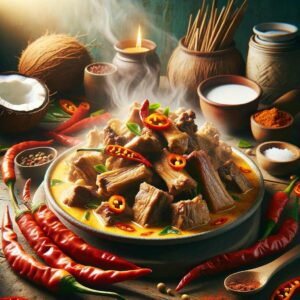 calories to the belly, something hotter than ordinary chili—that’s what they have in Bicolandia.
Say the magic word is “Bicol!” and it conjures pictures of platefuls of steaming hot Bicol Express--the premier Bicol food. This is a chili-flavored favorite in the country, a dish of pork ribs and siling haba or long chili, cooked in coconut thick cream--yummy Bicol cuisine.
Here’s the “secret” recipe. One part of long chili to two parts of coco thick cream—that’s the secret proportion that sends Manilans and many others scouring the region for it. Or, one kilo of long, native chili (especially the Bicol variety) to two kilos of the coco cream then mix in the pre-fried or boiled pork ribs and it sure makes for a very hot but equally tasty food.
Bicol is coconut country. It supplies the country (and the world) with coconut oil. Its natives are also famous for going crazy over native, super hot chili—munching them raw as a local past-time. 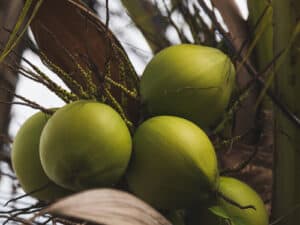 Thus, it is known for its coconut- and chili-based cuisine.
The native long chili (about an inch long, some shorter, and the shorter the hotter) are so important to every household—when a typhoon strikes, Bicolanos are said to prioritize the safety of their chili plant over their houses.
The native chili has become symbolic of the fierce courage of the natives in times of calamities and war. They always bounce back after each vicissitude in life.
Aside from the fiery Bicol Express (named after the clunky train that used to run from Manila to Bicol), the laing is another hot favorite. Chunks of pork and shrimp are cooked with dried gabi or taro leaves, again with sliced long chili. All this in a thick coco cream.
There’s a so-called Camarines Sur Hotel and Restaurant Association that makes sure Bicol hot delicacies are well promoted in member-restaurants in Naga City. This way, the tradition of Bicol chili recipes stays on with all the superb qualities intact.
Bicol is well traversed by tropical typhoons the year round. Typhoons after typhoons the fiery courage and resilience of a kind but tough people are evident. And one easily find out why---after a well-appreciated Bicol meal, it becomes plain why Bicolanos hang on out there despite the odds.