
Many Philippines native dishes have a lot to do with chicken. Native recipes can exploit the potential of chicken to further bring out its savory qualities. But a primary factor in cooking a native recipe using chicken is knowing what appropriate chicken part goes with a particular native dish.
 Chicken Breast in Philippines Cuisine
Chicken breast is found between the neck and abdomen of the chicken. It is a white, meaty part that often needs boiling before cooking. In Philippines Cuisine it is best for cooking native recipes like fried chicken, chicken “apritada,” “tinola,” fried or sautéed chicken fillet, chicken balls, chicken “mami,” and for preparing chicken sandwich spread. It can also be stripped for supplementary cooking of vegetable stews and sauced carrots and potatoes. For a low cholesterol diet, breasts minus the skin is often what dieticians and doctors prescribe because native dishes using chicken breast has high meat and almost zero fat content.
The drumstick is a very versatile chicken part. It is possible with any native recipe using chicken. It is a favorite packed native dish for taking to work, school, outings, picnics, and field trips. Slightly of dark coloration, the drumstick is the foreleg (or lower leg) of the chicken. It is best for cooking native recipes like fried chicken in garlic and soy sauce, sauced or sautéed chicken, chicken barbecue, boiled chicken or chicken “nilaga,” chicken with “sampaloc young leaves or chicken “sinampalucan,” and also “tinola,” among other native dishes in the Philippines cuisine.
Thighs are also a popular chicken part in native recipes using chicken. They’re the upper portions of the leg, or sometimes called the main leg. They’re perfect for cooking native dishes like chop suey, chicken with “sotanghon” (smooth noodles), chicken noodle soup, chicken curry, chicken barbecue, “adobo,” among other native recipes in Philippines cuisine.
Chicken wings are very popular in Philippines cuisine. They are also an all-around part of a chicken. Filipinos love them best as a fried native dish dipped in a spicy concoction of cooked vinegar and vegetable spices. Some native dishes using chicken wings are chop suey, “aroscaldo,” chicken “adobo,” and chicken “sarsado.”
In the Philippines, native recipes using chicken are often from two chicken types: white leg-horn or native. White leg-horn fowls grow faster and bigger and mature in 45 days. Native chicken takes more time to raise up, and their meat is tougher as native dishes.
Native recipes using chicken are delectable native dishes, but it’s a basic principle to use the right chicken part for the right native recipe.
Looking for something hotter than hot springs and volcanoes? Well, save that for other trips. But “hot” that tickles the appetite—one that’s spicy, creamy, a delight to the bone, and doesn’t add 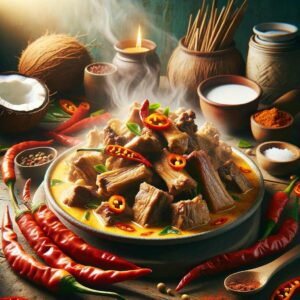 calories to the belly, something hotter than ordinary chili—that’s what they have in Bicolandia.
Say the magic word is “Bicol!” and it conjures pictures of platefuls of steaming hot Bicol Express--the premier Bicol food. This is a chili-flavored favorite in the country, a dish of pork ribs and siling haba or long chili, cooked in coconut thick cream--yummy Bicol cuisine.
Here’s the “secret” recipe. One part of long chili to two parts of coco thick cream—that’s the secret proportion that sends Manilans and many others scouring the region for it. Or, one kilo of long, native chili (especially the Bicol variety) to two kilos of the coco cream then mix in the pre-fried or boiled pork ribs and it sure makes for a very hot but equally tasty food.
Bicol is coconut country. It supplies the country (and the world) with coconut oil. Its natives are also famous for going crazy over native, super hot chili—munching them raw as a local past-time. 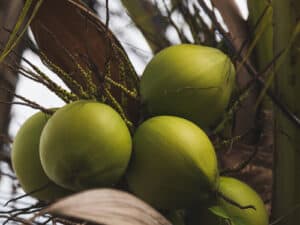 Thus, it is known for its coconut- and chili-based cuisine.
The native long chili (about an inch long, some shorter, and the shorter the hotter) are so important to every household—when a typhoon strikes, Bicolanos are said to prioritize the safety of their chili plant over their houses.
The native chili has become symbolic of the fierce courage of the natives in times of calamities and war. They always bounce back after each vicissitude in life.
Aside from the fiery Bicol Express (named after the clunky train that used to run from Manila to Bicol), the laing is another hot favorite. Chunks of pork and shrimp are cooked with dried gabi or taro leaves, again with sliced long chili. All this in a thick coco cream.
There’s a so-called Camarines Sur Hotel and Restaurant Association that makes sure Bicol hot delicacies are well promoted in member-restaurants in Naga City. This way, the tradition of Bicol chili recipes stays on with all the superb qualities intact.
Bicol is well traversed by tropical typhoons the year round. Typhoons after typhoons the fiery courage and resilience of a kind but tough people are evident. And one easily find out why---after a well-appreciated Bicol meal, it becomes plain why Bicolanos hang on out there despite the odds.
Now here’s a variant of a native cuisine that put the Philippines on the culinary world map: the all-time favorite native recipe Mixed Beef and Sea Foods Kare-Kare. This recipe has been a hit in Filipino dinner tables since early times.
Watch these recipe ingredients. Be sure everything is accounted for before cooking this native cuisine: First, we need a fourth of a kilo of Tapa fillet (all lean beef), a fourth of a kilo of squid (cleaned and cut into rings), a fourth of a kilo of mussels, two-third cup of cooking oil, one piece of diced onions, two cloves of minced garlic, two-third cup “asuete” essence mixed with water, a half cup of non-greasy peanut butter, a half cup of string beans or “sitaw”, a half cup of diagonally sliced eggplant or “talong”, two cups sliced and boiled banana heart or “puso ng saging”, salt and pepper to taste, and one cup seafood stock, and one cup coconut milk. This cuisine also needs preserved shrimps or “bagoong alamang” as siding. With these ingredients all in, we’re ready to cook this native recipe.
This classy cuisine is cooked this way: first, we prepare the “asuete” essence or oil: Sauté on medium fire the two tablespoons of “asuete” seeds in two-third cup of cooking oil until everything becomes orange in color. Then, strain to remove the “asuete” seeds. After this, sauté onions and garlic in one-third cup of “asuete” oil. Then add the seafoods, with a twenty-second interval: the squids, mussels and the tapa fillet. Then mix everything in this recipe and cook on high fire for one minute until everything is half-cooked. Then, remove everything from the pan and set aside.
Next, to cook this native recipe, we add the remaining “asuete” oil in the pan. Then put the peanut butter in. Mix well. Then add the coconut milk. Stir well on high fire until it boils. Bring to a simmer until sauce thickens. Add the vegetables, with one-minute interval: the banana heart or “puso ng saging”, string beans or “sitaw”, and the eggplant or ”talong.” Cook for three minutes. Then add the seafoods and cook well for half a minute. After this, sauté in a separate pan the “bagoong” and minced ginger and garlic. This serves as the sauce of this native cuisine.
Mixed Beef and Sea Foods Kare-Kare is a unique rendition of the native cuisine Kare-Kare, and has been a favorite recipe in Filipino homes.
The heavy-weight nutrients of beef, vegetables, and fruit; or, the delicate taste of tender beef, crunchiness of vegetables, and the sweet flavor of fruit---these are mouth-watering features of the native cuisine Philippine “pochero.” It is considered a luxury native dish served mostly only to the elite or in very special occasions.
Pochero dates back to Spanish times, a time when native dishes cooked were sure to be nothing less than top quality. Spanish landlords were mostly very discriminating in taste and preferences. They were often very strict masters. So this native cuisine was birthed at such a time when everything was made “primera clase” or first class.
This native cuisine, pochero, is cooked in this manner. For a kilo of pork or beef (or a mix) these are the ingredients: a small ball of cabbage sliced in big pieces, 5 pieces sweet potatoes sliced into 4 each, 7 pieces pared native “saba” bananas sliced into halves, a bundle of Baguio beans cut into halves, a bundle of pechay leaves sliced into halves, a can of pork and beans, a teaspoon of salt, and 5 cups of water. Make sure all the veggies have been kept in the fridge the night before for a crunchy quality. Now we’re ready to cook this native dish.
Simmer the meat and sweet potatoes in 5 cups of water for one to two hours for a super tender native cuisine of pochero. If the water has dwindled too much, add enough to soak meat in it. When the meat of this native cuisine gets tender enough the sweet potato should have become very soft and thickened the beef stew. Pour in all the others (cabbage, pechay, bananas, salt, and Baguio beans) except the pork and beans. Put to medium fire for half a minute, pour in pork and beans, and cook for another half a minute, then the native dish is ready to serve. Make sure not to over do the vegetables to keep their crunchiness.
Native cuisine, Pochero, has an aroma and taste that blends the pungent qualities of meaty richness and fruity sweetness. Its thick stew captures in all the abundant goodness of beef, vegetables, root crop, and fruit for a tangy native dish flavor unmistakably Filipino-Spanish in orientation.
A super balanced native cuisine complete with meat, veggies, root crop, and fruit is the Philipine pochero. Balanced meals seldom come as delicious and nutritious as this native dish does---not to mention its rich and thick stew.
The pungent flavor of ginger stew and the savory taste of native fresh water fish---combine this and we have the unique, delightful tang of the native cusine, Pesang Isda. This is a highly nutritious recipe popular in the Tagalog regions.
Don’t pre-judge this Tagalog cuisine. Many disagree with the fish usually used for this recipe. It is often cooked using fresh water mudfish that once loitered freely around rice paddies and streams and rivers in the region. Today, mudfish or dalag are cultured in fish ponds or caught fresh from clean rivers, streams, or rice paddies---which is a rarity. For those wary about mudfish, the fish for this cuisine may be substituted with milkfish or bangus, or tilapia, another fresh water fish for another recipe variation.
We need the following ingredients for this native recipe: two cloves of minced garlic, one medium-sized and thinly sliced ginger, one quarter of medium-sized onion, one large mudfish (dalag) cleaned and cut into serving size, two cups water used for washing rice or pinaghugasan ng bigas, two fish broth cubes, two bunches Tagalog cabbage chopped in big sizes, two stalks green onions, and pepper to taste. With these ingredients in hand, we’re ready to cook this cuisine.
In cooking this recipe the following is the procedure: sauté the garlic, ginger and onions till light brown. Add the fish and rice wash. Drop the fish cubes to bring out the taste of the savory mudfish, and then bring to a boil. When the fish is cooked and tender, add the pepper, cabbage and green onions. Wait for the vegetables to cook, then serve hot. This cuisine serves 5 persons.
Some pesang dalag cuisine variations add in a lot more vegetables than are found in this recipe. Vegetables like green leafy pechay, ordinary pechay, potatoes, or malunggay leaves. Last but not least, this Tagalog cuisine has a special sauce or side dish that makes it doubly stylish. We need a cup of tofu putty and a few garlic and onions for the side dish of this cuisine. To prepare this added recipe, sauté a cup of tofu putty, or miso with a few minced garlic and chopped onions. When light brown add in the cup of tofu putty. The “pesa” is eaten with teaspoons of the tofu now and then.
The Tagalog native cuisine, Pesang Dalag or Fresh Water Fish in Ginger Stew, is a rare recipe of fish and healthy veggies that is cooked mostly by pure Tagalogs.
There are a lot of dishes in the Philippines that lends different experiences to your palette. Foreign countries have influenced a lot of these dishes. This is due to the fact that traders and colonizers have visited the Philippines for centuries. The American and Spanish colonizers, and the Chinese and other Southeast Asian traders influenced and brought about a kaleidoscope in the Filipino way of cooking.
One of the contributors to Philippine cuisine are the Chinese. Chinese influence on Philippine cuisine is found in noodle dishes such as bihon, miki, mami, lomi, sotanghon, and miswa. These are generally called pancit. For instance, in the town of Molo in Iloilo, the Chinese influence on their type of noodle known as pancit molo is an adaptation of wonton soup with an Ilonggo twist.
For many years that Chinese people interacted with the Filipinos. Many of them even decided to stay and live with the Filipinos. Chinese contributed to Philippine cuisine a rice cake made from Philippine ingredients called "hopia". The making of Hopia was inspired and influenced by the Chinese rice bean cake. The Chinese usually use rice-bean cakes during special occasions.
Unlike other people in Southeast Asian countries, most Filipinos aren't fond of eating chili. But there is a part of the Philippines, the Bicol region, which uses a variety of spices. Like the folks in Indonesia, Thailand and Malaysia, the people in the Bicol region use chili and coconut milk for a lot of their delicacies.
When the Spaniards came to Philippines, they introduced the Spanish culture. The many Spanish colonies often influenced the Philippines in many different ways. Historians say that 80% of the Philippine cuisine originated from Spanish dishes. For example, Adobo (a well known Filipino dish) is actually a Spanish word for sauce. Adobo means marinated sauce for pork (though there are also other adobo dishes that don't use pork).
Although Americans didn't make that much of an influence in Philippine cuisine, they certainly changed the way Filipinos dine. The Americans introduced fast food to the Philippines. Fast food chains are now found almost everywhere in the Philippines nowadays and is a favorite among Filipino children.
These are the influences of many different countries that contribute to Philippine cuisine. That's why Filipinos embrace the ideas and influences of the other countries. If it were not for these influences to Philippine cuisine there would not be a wonderful array of dishes to delight the palette.
How about a super healthy, super yummy native cuisine of stewed milkfish? This one’s stacked with vegetables loaded with fibers, Vitamin A, antioxidants and lycopene that can only do one’s health good. And then the fish meat is cooked just right to get all its juicy, flavorsome quality all intact. This native dish is an all-time favorite in Filipino dinner tables.
“Sinigang” has several variants and they always come a bit sour. The origin of this native dish is not exactly known and one of the versions says it was accidentally discovered in a hasty preparation. A mix of ingredients was there but what to do about them was the problem. So the stuffs were all poured into a pot, boiled, and out came the native cuisine “sinigang.”
Cooking this native dish: for a kilo of milk fish (choose a single piece weighing a kilo, with gills, bile, and scales taken off) prepare the following: a bundle of “kangkong” leaves picked off from branch, 3 pieces eggplant sliced into 3 each, one piece peeled and chopped radish, a bundle of okra chopped in halves, 2 pieces long chili or “siling pula,” 7 pieces “kalamansi” or lemon squeezed in a cup (seeds taken out), sliced tomatoes, a teaspoon of salt or fish sauce (“patis”), and 4 cups water. Now we’re readu for this native cuisine.
After washing the fish, put it into a pot with the 4 cups of water, eggplants, radish, tomatoes, long chili, and boil. When boiling, watch if the fish’s eyes have popped out. If so, bring this native dish into a simmer. Add lemon, okra, “kangkong,” and teaspoon of salt or fish sauce. After half a minute, serve while hot. This native cuisine serves 4 to 5 people.
This native cuisine is best served with a small saucer of fish sauce where the long chili from the milkfish stew is sliced. This makes for an excellent dip for the Philippine milkfish “sinigang.” This menu also comes with pork or beef. But for the longer hours of boiling to tenderize the meat, everything in the procedure stays the same. Philippine milkfish “sinigang” is superb with its traditional partner, “tortang giniling” or ground pork (or beef) omelet. Eaten together, the chemistry of the native dishes bring out a subtle taste that is contrasting yet complementary.
Philippine milkfish “sinigang” has been a proven native cuisine that continues to satisfy discriminating gourmets. For decades it has been a reliable native dish in spur of the moment dinner preparations because it’s easy to cook.
Most Filipinos never let their guests go hungry. That's one Filipino way of taking care of their guests. To give a warm welcome to their homes, they often serve Tinolang Manok to their guests.
One of the many popular dishes in the Philippines is known as Tinolang Manok. It is otherwise known as Chicken Ginger Soup. Pretty much like the chicken soup our moms used to make with an Asian twist due to the ginger. Each province in the Philippines would its own version of Tinolang Manok. They're all based on a single theme -- chicken and ginger.
You can't say that Tinolang Manok is Tinolang Manok without the ginger. The ginger gives the Tinolang Manok a special Asian aroma and taste. Without ginger, the Tinolang Manok would lose its identifying zest and appeal.
Now here's how to cook Tinolang Manok. Let's begin with the ingredients of this dish. We would need the following to make Tinolang Manok:
A half kilo of Chicken, chopped into pieces.
Four cups of chicken stock. (If you don't have chicken stock you can use a chicken bullion cube mixed in four cups of water. This can be bought in any Filipino store)
One medium-sized green papaya, peeled and cut into cubes.
Three cups of chili leaves, spinach, or pechay.
Two cloves of garlic, crushed.
One tablespoon crushed ginger.
Two tablespoons of sliced onions.
Four tablespoons cooking oil.
Two tablespoons of Fish Sauce (Patis)
Now that we have all our ingredients, here's how we cook Tinolang Manok. First, we heat the oil in a stockpot and saute the ginger, onion and garlic. Remember to saute the ginger much longer than the onion and garlic. This is so you can enhance the essence of the ginger of the Tinolang Manok (big cooking secret, keep that in mind).
After you saute the spices, add the chopped chicken and saute until the chicken is partly cooked. Put in the fish sauce (this can also be bought at a Filipino store), stir for few seconds and add the chicken stock. Let it boil and simmer until 20 minutes. Add the papaya into the pot and let it cook. Turn off the heat and add the chili leaves and toss. Serve the Tinolang Manok while it's hot. It is best served with rice.
There are many popular dishes in the Philippine islands. One of these is the famous Tinolang Manok. Like our mom's homemade chicken soup, it is relaxing, tasty, and the chicken meat is in perfect harmony with steaming rice. Tinolang Manok is a Filipino dish that will welcome you to every Filipino home.
[Tags]Filipino Cooking, Filipino Cuisine, Food, Cooking, Chicken, Recipies, Filipino Recipies, Filipino Dish, Tinola, Manok[/Tags]
Christmas is the most celebrated season of the year. Filipinos start to spread the spirit of Christmas as early as September. And with Christmas, comes the favorite Christmas specialties. The two favorite Christmas dishes in Philippine cuisine are Puto Bumbong and Bibingka.
Puto Bumbong is a part of Philippine cuisine that is based on rice. This is how to cook Puto Bumbong. For one hour, soak a kilo of glutinous (a special type of rice) and 125 grams of ordinary rice mixture in salted water. If you want you can add some food coloring. Dry the Puto Bumbong mixture overnight inside a clean flour sack. Squeeze out the excess water. The following morning, the Puto Bumbong mixture is ready for cooking.
Use a steamer to cook the Puto Bumbong mixture. Pour in a small measure of Puto Bumbong mixture in bamboo tubes (locally known as "bumbong"). Place the bamboo tubes in a steamer.
You'll know when Puto Bumbong is cooked when steam rise out of the bamboo tubes. Push out the cooked Puto Bumbong from the bamboo tubes. Serve the cooked Puto Bumbong with grated coconut and sugar on top.
The other favorite Christmas delicacy is Bibingka or rice cakes. Here's how to make them. Soak 250 grams of glutinous rice in water for six hours then grind it. Beat one egg. Have 25 grams goat milk's cheese sliced into desired thickness (you can try other cheese if you like).
In a saucepan, boil a half-liter of thin coconut milk. Continue boiling while adding in the ground rice, beaten egg, and one-fourth teaspoon salt. Lower the flame, then add 100 grams of sugar. Stir thoroughly to blend.
Put some banana leaves on small cake molds and pour the rice mixture in. Add in sliced cheese and 100 ml thick coconut milk. Sprinkle some anise powder on the top and cover the mixture to add to the aroma. Cook the Bibingka with live charcoal on the lid and below the cake mold for 15-20 minutes.
Unfortunately, there are no instant mixes of Puto Bumbong and Bibingka. There are no substitutes for these delicious Christmas rice specialties of the Philippines.
When you visit the Philippines for the holidays, you'll be enchanted with the sweet smell of freshly cooked Puto Bumbong and Bibingka that blends well with the cold early mornings and nights. Though these rice specialties come in different sizes and shapes, having Puto Bumbong and Bibingka during the Christmas season helps make the Christmas spirit livelier.
Philippine native cuisines are natural taste bud ticklers that induce appetite like fatty oil is to grill fire. But there are certain culinary secrets that enhance the subtle taste of native dishes, especially where marinating and sauces are concerned. Here are some secret tips for a more enjoyable Philippine native cuisine.
Most fried native dishes, like fried fish and pork chops, are rubbed with a dash of salt and flour a minute before frying. This results in a super crispy and juicy fred native cuisine, with all the food flavors intact and succulently oozing at a bite. For a much tastier native dish flavor, fish, pork or beef is marinated with soy sauce and vinegar, or better, soy sauce and natural “kalaminsi” or lemon juice. This marinating procedure is done 30 to 45 minutes before cooking, either by frying or grilling. Grilled pork liver is also thus marinated for a mouth-watering aroma and taste.
Native cuisine fried or steamed fish are often stuffed with sliced native tomatoes, garlic, ginger, “kinchay” leaves, a little powdered pepper, and onions. At times this native dish is mixed with cooked ground beef or pork. The fish’s abdomen is sliced open, gull and gills removed while leaving the liver and intestines intact, and the spices are stuffed inside. Then the abdomen is stitched closed with a clean white thread. The fish is then wetted enough with a soy sauce and “kalamansi” or lemon juice concoction for some 15 minutes, and then fried or grilled.
With grilling native cuisines, the usual method is to wrap the fish or pork with aluminum foil. This cooking method evens up cooking all sides of a native dish fish, pork, or beef but it’s unhealthy because of the lead content of the foil. The best alternative---and one of the native cuisine culinary secrets of cooking grandmas in the country---is to wrap food in banana leaves while being grilled. This saves the native dish from too much burning and boosts natural food and spice flavor enhancement.
Finally, native cuisines usually go with a specific dip sauce. Dip sauces of mixed vinegar, soy, or preserved fish for a specific native dish may heighten taste bud stimulation. Native cuisine Kare-Kare’s true gourmet potential lies on how good the preserved shrimp or “bagoong” sauce is cooked.
Philippine native cuisines are enjoyed more when the secret ingredients are in and the right sauce concoction for a native dish is in place.